What is Push to Talk?
A collaboration with Liverpool 5G Health and Social Care Testbed, Push to Talk helps people build meaningful connections, reducing feelings of loneliness and boosting mental wellbeing. Push to Talk is simple, easy to use, and capable of working as a stand-alone service or alongside other befriending services. The concept for Push to Talk emerged at a Social Care Hack Day hosted by Liverpool City Council to address social isolation and loneliness, especially among the elderly — a pressing issue for the NHS and social care. Push to Talk had to reduce loneliness, ease healthcare strain, and lower care dependency while promoting mental and physical wellbeing through connection. To be effective, Push to Talk had to be low-cost and easy for providers to implement, regardless of location. Accessibility and ease of use were critical to empower users and build confidence in connecting with others.
How does it work?
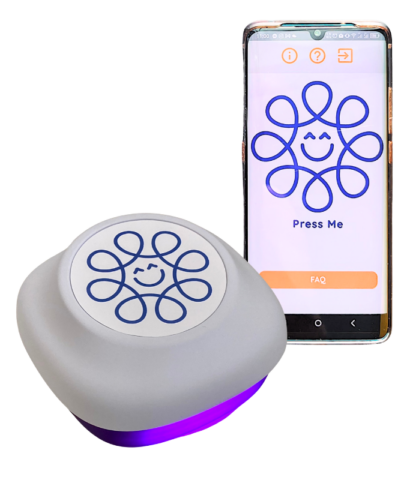
It can be accessed via the Push To Talk smartphone app, or we can provide users with a button they set up in their homes. When pressed, the button will trigger a call to the user’s telephone. They will then connect to a similar user who has also pressed their button.
In 2023, the World Health Organisation (WHO) declared loneliness a global public health concern. Loneliness affects everyone, but some groups are more affected than others:

Those not digitally engaged are at an increased risk of loneliness and social isolation. 79% of people aged over 75 lack the digital skills to use the internet easily. 42% of those aged over 75 do not use the internet [Age UK 2021].

48% of people from mixed or multiple ethnic backgrounds and 49% of LGB respondents reported that they did not have enough opportunities in the community to connect with others in a meaningful way, compared with 35% of the whole population [MHAW Loneliness England Policy 2022].
Mapping the full product journey
The primary challenges revolved around achieving connectivity without broadband or cellular reliance. We also had to adhere to strict size constraints and provide robust security and effective monitoring capabilities. Each design choice addressed these needs while maintaining a low-cost, scalable solution.
Health and social care innovation and production
Proof of concept
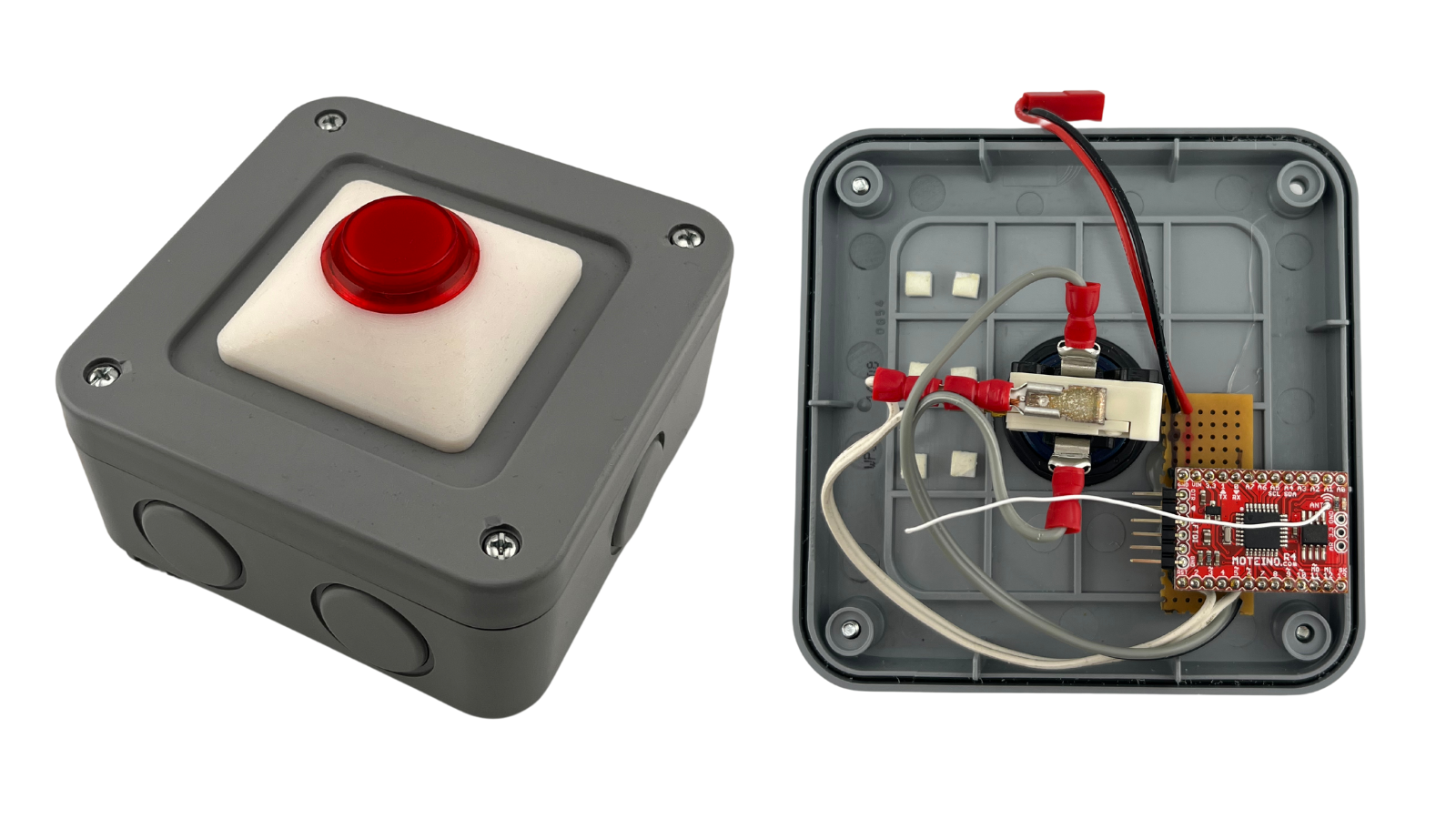
Push to Talk began with a clear goal: create a device that enabled communication at the press of a button. To achieve this, we needed reliable software and a functional physical device. Our proof of concept involved building four simple devices to transmit signals to a laptop running custom software. The setup allowed each device to initiate a phone call to preassigned numbers. We successfully demonstrated transmitting data from a device to the internet without relying on Bluetooth, mobile data, Wi-Fi, or broadband. Confirming technical feasibility allowed us to transition from conceptual validation to a prototype.

Functional prototype
With the core technology validated, the next step was to refine the design, making the device more appealing and practical. We leveraged rapid prototyping technologies such as 3D printing and laser cutting to create intricate, inexpensive designs.
Trials and user feedback
With everything in place, we needed to reach the people who would benefit from the service. To do this, we partnered with several collaborators to measure Push to Talk’s impact and how technology can reduce loneliness. These partners included Local Solutions, The Irish Centre and Irish Community Care, The Hope Centre Tuebrook, Everton In the Community, Asda in the Community, Live Wire, LCVS, Prima Homes, Bradbury Fields and Breckside Park Care Home.
We wanted to get a hands-on feel of how people might respond to the device, who would benefit and how we could reach more people. To do this, we took different approaches to collecting user data:
- In-person interviews. For months our team worked tirelessly to reach out to people in communities to gather their initial impressions, measure their desire for the device and implement improvements based on their feedback.
- Attendance at relevant local events. To understand the people the device would be helping, we attended events such as coffee mornings and Carers Week. By meeting with people, seeing their day-to-day challenges and hearing their opinions, we gained a deep understanding of our users.
- Analysing data through the dashboard. We also gathered quantitative data, analysing how people used the device in the real world for improvements.
As part of our work with the Liverpool 5G Health and Social Care Testbed, we trialled Push to Talk with people who had care responsibilities at home. Over half of all unpaid carers say they don’t like talking about caring to their friends and never get the time to socialise.
Trial users were surveyed before and after using the service. After using Push to Talk, there was a 75% increase in those who said they hardly ever felt left out and a 50% increase in those who said they hardly ever felt isolated from other people. The results also saw a reduction of over 30% in the number of people who visited their GP and a 16% drop in the average number of visits per user.
Production-ready prototype
Following the feedback from the small trials, we made final changes to the prototype for EMC testing and manufacturing.
An initial PCB was manufactured for firmware testing and to gather feedback from the industrial designer on integrating the circuitry into an enclosure. Pre-production boards were tested in-house, fitted with 3D-printed casings, and validated for functionality, ensuring they were ready for EMC testing.
Testing and regulatory compliance
Unit 3 Compliance provided skilled support on regulatory compliance for the device, reviewing the schematic and layout of the proposed PCB before manufacture. They also provided a report to highlight potential PCB issues that might cause difficulties during the EMC tests. The report also offered mitigations to maximise the device’s chances of passing the EMC tests. With this feedback, we made design adjustments to maximise the likelihood that the device would meet all test criteria on the first testing attempt.
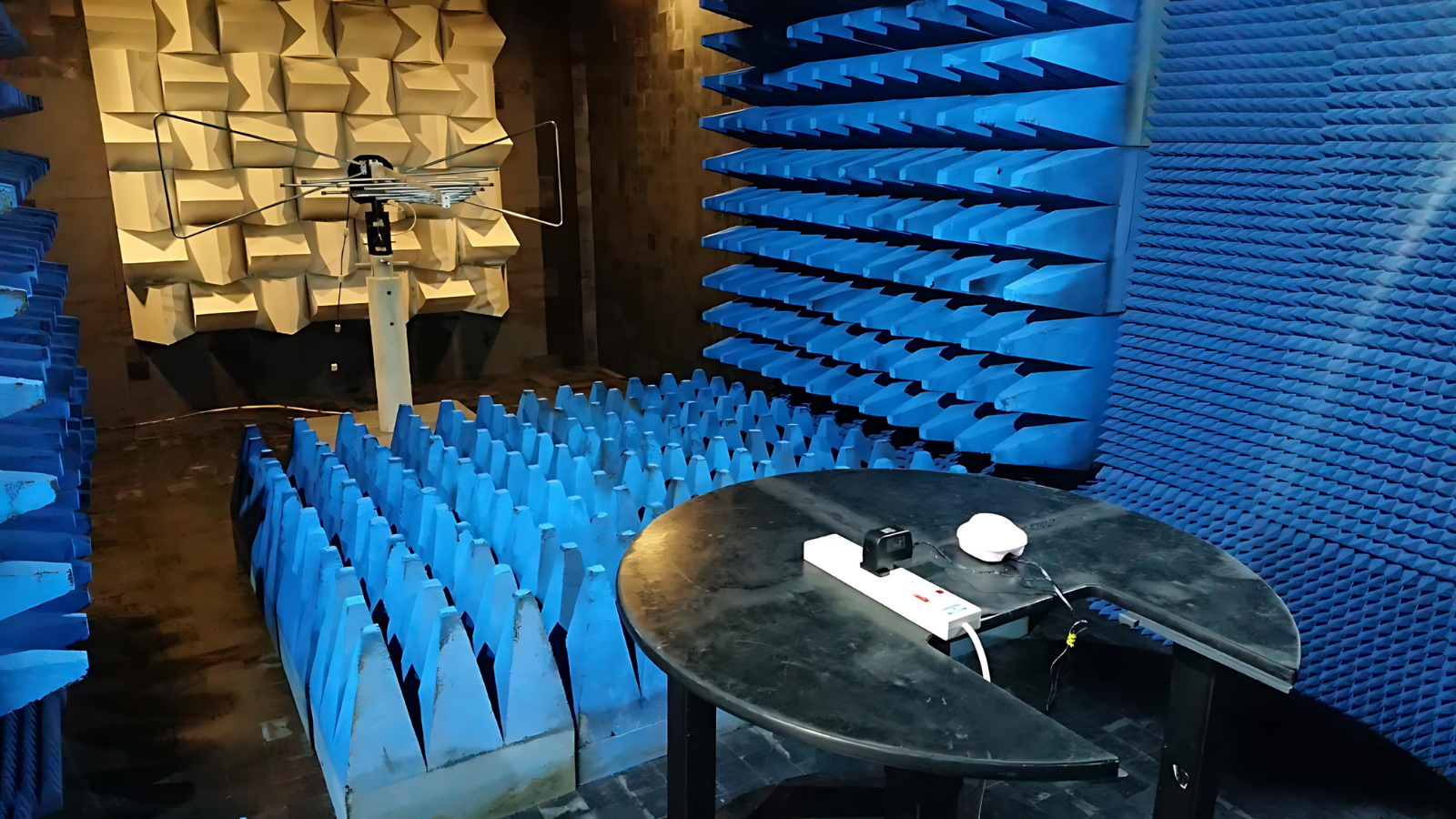
Once ready, the device was then sent off for EMC testing. During this, the device would be measured against two sets of criteria; the electromagnetic compatibility (EMC) directive and the radio equipment directive 2014/53/EU (RED).
Compliance with the EMC directive ensures that the device minimises its emission of electromagnetic radiation that could potentially influence other equipment. It also requires the device to resist any disturbance from other electronic appliances.
Compliance with RED focuses on controlled use of the radio spectrum. Additional aspects RED covers also include interoperability, access to emergency services, and compliance regarding the combination of radio equipment and software.
Due to our thorough pre-testing and collaboration with Unit 3, the device passed EMC testing and is now UKCA/CE certified.
How to begin scaling your product
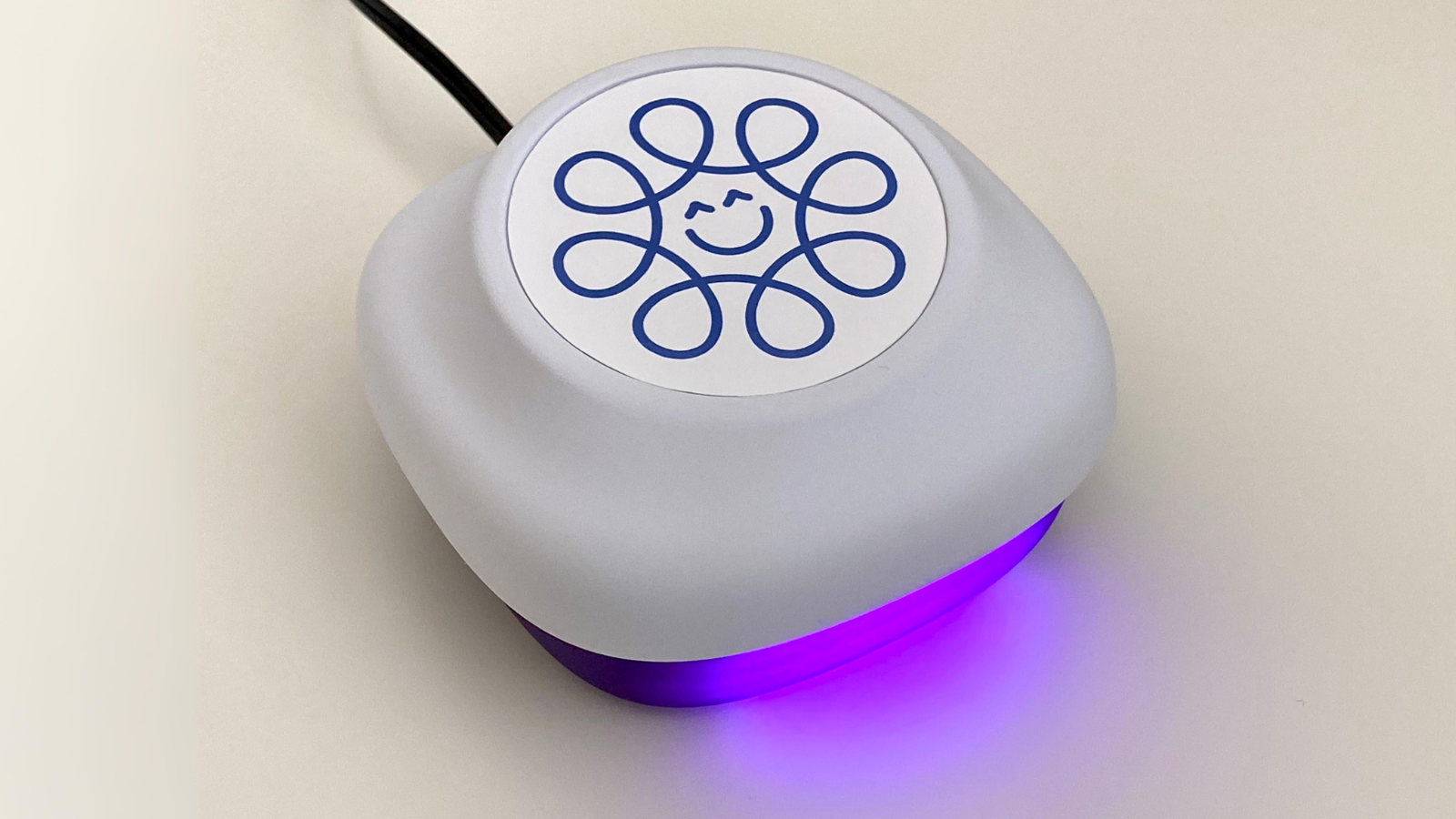
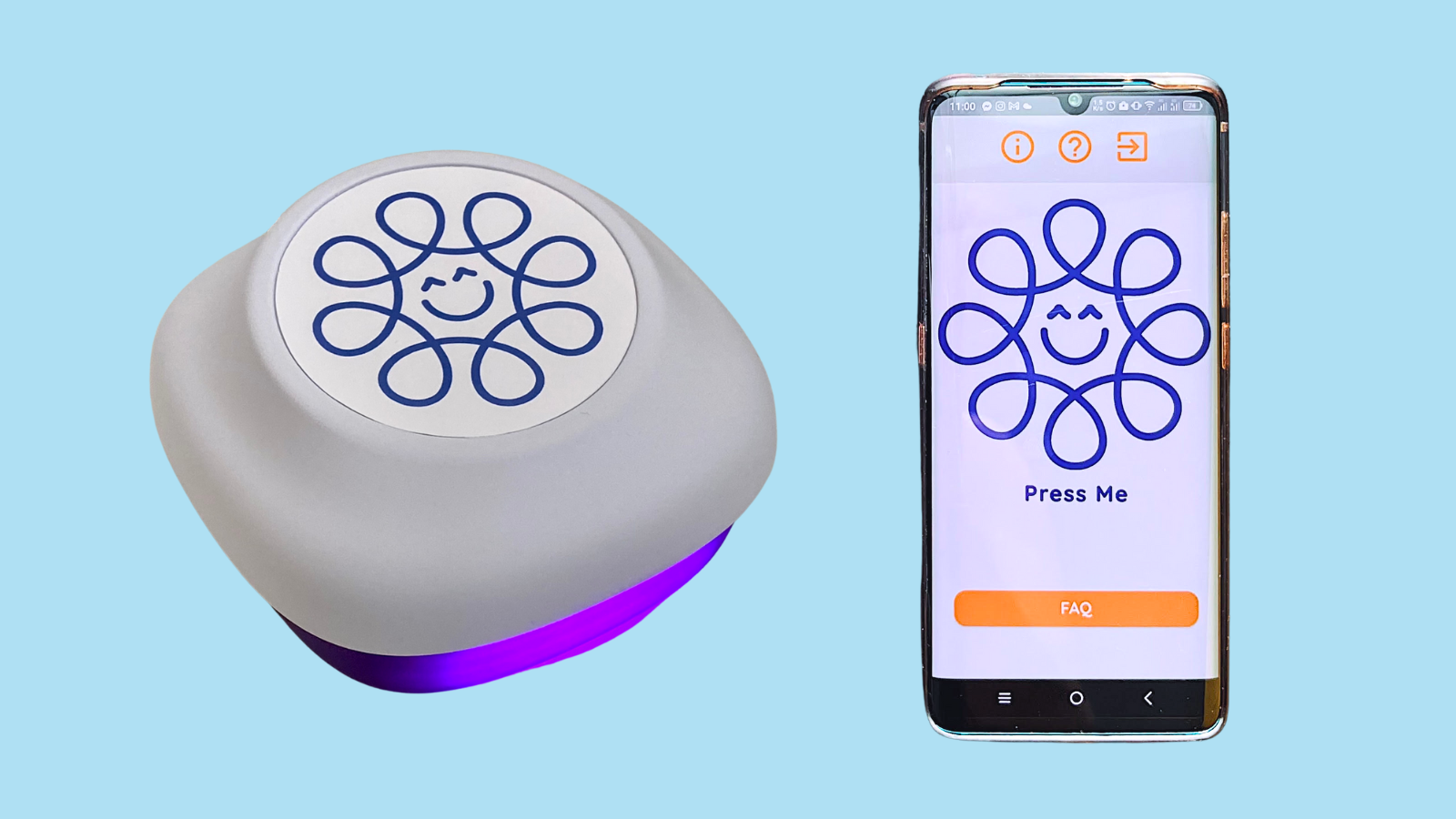
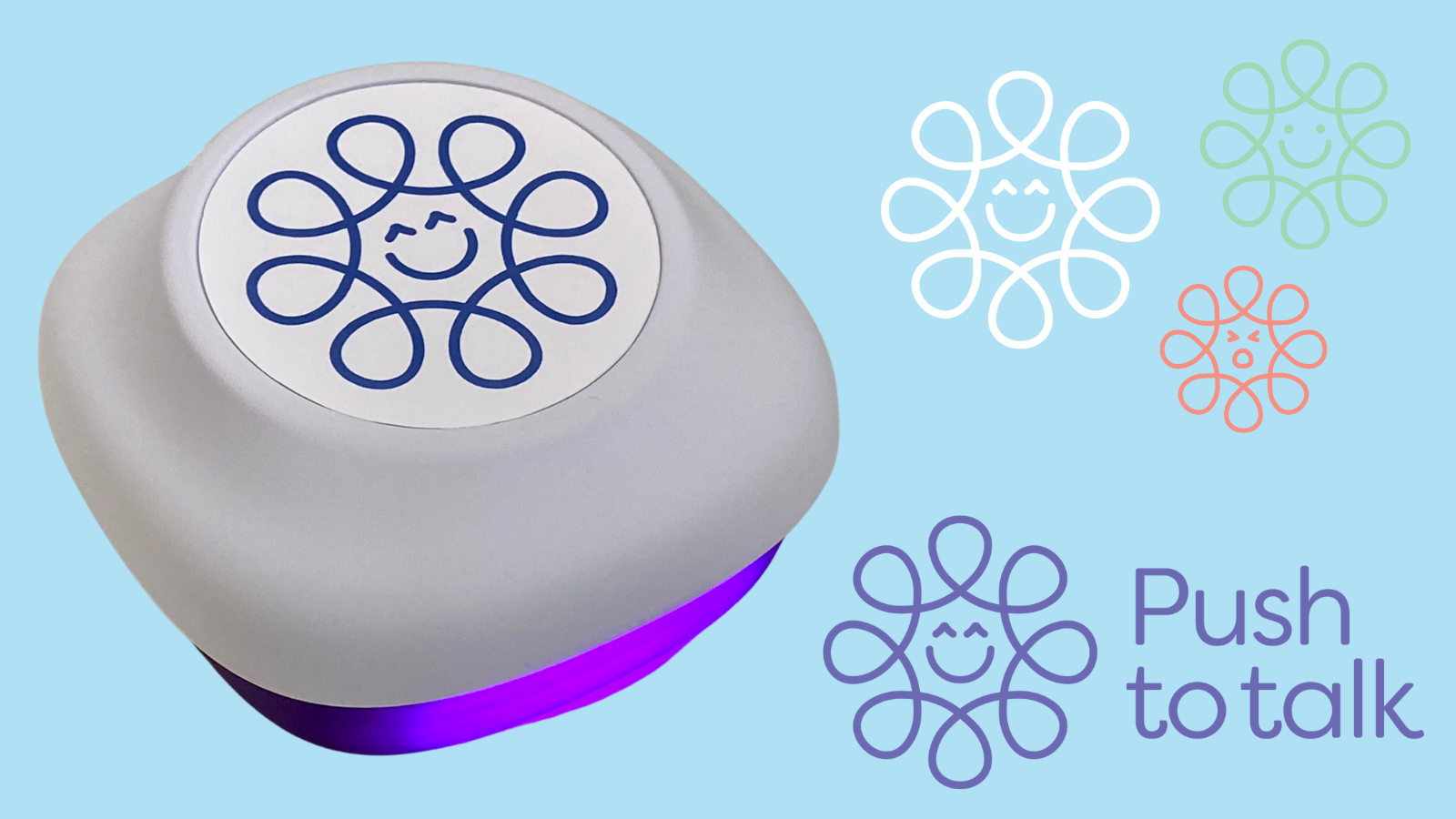
Initially, we used 3D printing and laser cutting to produce the Push to Talk buttons. These production methods are ideal for small-scale prototyping due to their affordability and ability to create intricate designs. However, for large-scale production, we transitioned to injection moulding using durable ABS plastic. Injection moulding enabled more efficient production of refined, sturdy, and versatile buttons. The top casing features a sleek matte white finish to resist fingerprints and dirt, while the bottom casing has a smoked translucent purple finish with moulded waves to direct internal light towards the user. Both finishes balance functionality and aesthetics, ensuring the device is durable, attractive, and home-friendly.
This shift to injection moulding improved the buttons’ robustness and reusability, allowing us to establish a circular economy business model. The buttons can be returned, refurbished and reused at the end of their use cycle, reducing environmental impact and waste.
Software development
The cellular connection did not require server modifications, and a previous API connection was used. With the help of subcontractor Pharmarketeer, server updates enabled continued use of the service with an increased number of users. They additionally created handover documentation for service stability and longevity as we move to a commercial release.
For tech-savvy users, the Push to Talk app offers access to the service from any location, independent of the button’s physical location. Available on the Google Play and App Store, the app is currently invite-only, requiring a code for access. The app provides a familiar option for smartphone users, appealing to younger demographics and those without landlines for broader accessibility.
Packaging design and branding
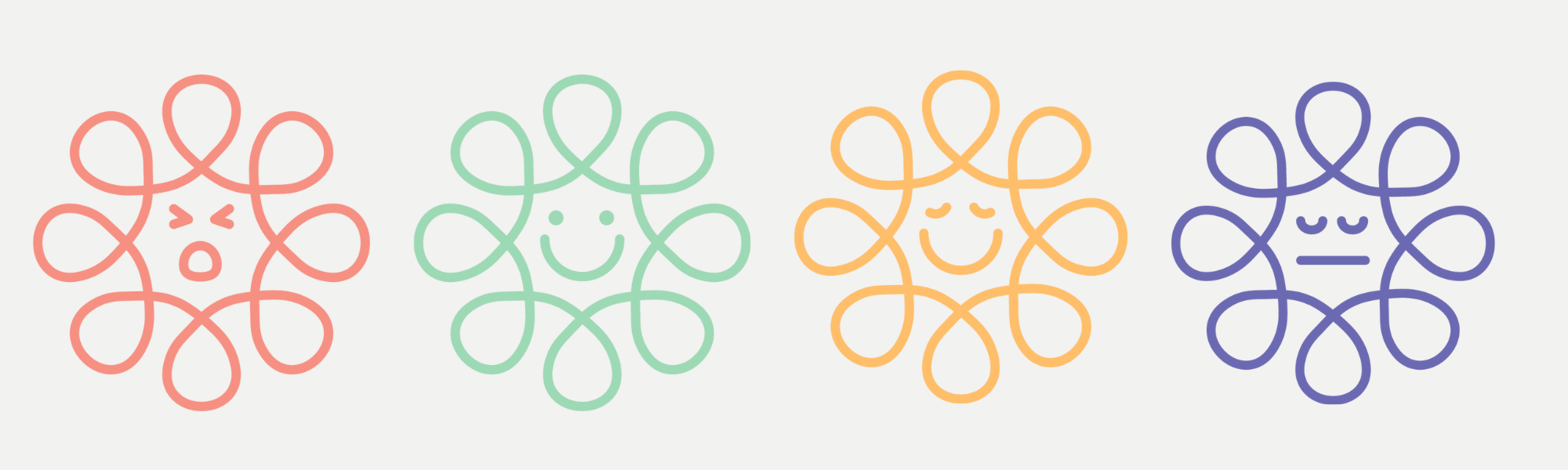
To prepare Push to Talk for the market, we collaborated with Liverpool-based designer Thom Isom to create a new logo and brand package that embodies compassion and connection. The design features characters reflecting users’ emotions before and after using the service.
Working with care organisations, we gained insights into user perceptions. Our previous branding focused on the impact of loneliness on physical and mental health. In contrast, the new messaging shifted towards human connections and wellbeing. The intention was to highlight Push to Talk as a welcoming network for meeting new people, using simple imagery and calming colours.
The full product journey is complete – what are the next steps?
The Push to Talk device is now fully UKCA and CE-certified, marking a significant milestone as being market-ready. This certification opens doors for expanding trials nationally and collaborating with organisations to address loneliness and bridge the digital divide. Push to Talk is a step toward building a more inclusive, supportive future for everyone to foster meaningful connections.